Right now, you may be thinking "what's the difference between normal social media posts versus social media advertising?" Well that's why I'm here to tell you all about social media advertising and why it's great to use for advertising your company's products or services to new and returning customers.
What is Social Media Advertising?
So what makes social media advertising different from normal advertising in the first place? To start off, when you make a normal post online, those posts usually only reach the audience you have that currently follow you online and it does not reach any new customers that you may be trying to reach out to. Social media advertising posts, however, are paid advertisement posts that not only reach out to the people that follow you or your company, but they also reach that part of the audience that is unaware of who or what your company is.
How Does Social Media Advertising Work?
There are five things to remember if you want to make sure your advertisement posts are successful.
1. Campaign Overview.
This includes making sure you have a campaign outline (the generic, but very important, details about your campaign: Name, purpose, goals) and your campaign's objectives (for example: "What are you trying to achieve through the campaign?").
2. Target Audience.
According to Toolbox.com, you need to be specific about your audience that you are making your advertisement posts for because each and every audience reacts differently towards the different types of content you post.
3. Campaign Creatives.
Another way of putting this is that campaign creatives are ad copies, what you would use for messaging, and visuals, which could be anything from images, gifs, and videos. Depending on which platform you decide to post your advertisements on, keep in mind that each and every platform not only has different guidelines, but also each one has a bigger, different target audience than the other. You might try and go one step further by creating a duplicate post but tweak it just a little bit to see how it will optimize its performance.
4. Social Media Platforms.
Speaking of social media platforms, each platform is designed to work differently from another. Obviously, the more popular platforms are YouTube, Instagram, and TikTok, but they all serve different audience segments. Each platform will help you figure out what your budget will be for each advertisement campaign, what type of format you should choose for your ads, and it will also help you to tailor your campaign's message for every individual platform.
5. Campaign Budget and Success Metrics.
It's good to know what you're spending your money on, especially if you'd like to know whether you should change anything. Any fees or expenses you make towards your ads should be kept separate from your actual budget (that is if you're working with an agency to do your advertisements instead of making them yourself.) The other thing to keep in mind is what your budget is for your advertisements. This number also includes any other amount of money that you have to pay the platform you're using just so they can keep on running your ad. It may take a while to figure out your budget for your ads, but Toolbox.com has made it easier for you to figure out those numbers. Here's their example:
"Let’s say you need to generate 20 leads through a lead generation campaign. Through research, you find out that the cost per lead (CPL) on Facebook is $10. So, the initial budget for the campaign would be $200. Considering the volatility of the bidding process, you can slightly increase the ad budget. As you execute the campaign, keep tweaking the bid to optimize the ad spend."
Best Practices for Social Media Advertising
When starting out creating paid advertising like this, here are some best practices to keep in mind when putting together those ads:
1. Experiment on your Normal Content First.
Before you start making a paid post, try experimenting on your current content and see if you get any new reactions to it. If so, then I say that it'd be safe to go ahead and try it with paid advertising.
2. Getting Ultra-Specific with Audience Targeting.
As creepy as this might sound, you can get very specific about your target audience and even target people based on their location, what type of content they watch or look at, and places they visit.
3. Create Multiple Ad Creatives.
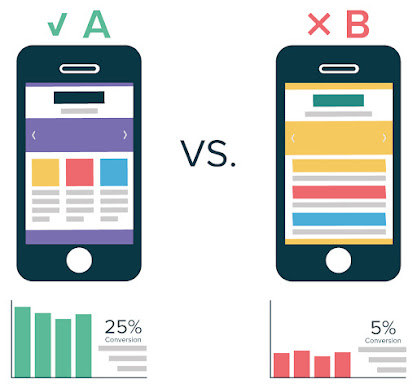
Don't just limit yourself to creating one advertisement layout because you couldn't choose one over the other. Go ahead and make as many as possible. That way, you can test out which ones work and which ones don't.
4. Design Attention-Grabbing Creatives.
Make all of those creatives you just made eye-catching! Colors, icons, fonts, the list goes on! Customers will notice when something pops out and sticks out from the rest and that'll make them want to know more!
I hope all of this helps to teach you more about social media advertising and what the power of advertisement can do!


